 Welcome, Guest Blogger

The following topics will be discussed in this post.
- The Evolution of SEO: From Keywords to Intelligence
- What Are AI SEO Tools in 2026?
- Key Ways AI Is Transforming Content Strategy
- Role of AI in eCommerce Content Strategy
- Challenges of AI-Powered SEO
- Best Practices for Using AI SEO Tools in 2026
- The Future of AI-Powered Content Strategy
- Conclusion
Is your content strategy ready for the AI revolution? What if your content strategy already knew what your audience would search tomorrow before they even type it? Sounds unreal. But here we are. In 2026, things move fast. Faster than most marketers can keep up with. And AI SEO tools 2026 are not just helping anymore, they’re deciding directions.
A few years ago, content planning felt like guesswork. You’d open spreadsheets, check keywords and maybe follow competitors. Now? AI tells you. Not perfectly, but close enough. And honestly, that changes everything.
Take eCommerce for example. A small store owner once struggled to get clicks. Then AI suggested adding WooCommerce product videos. Simple change. Huge difference. More time on the page. More conversions. Not magic, just data working smarter. So yes, the game has changed. And if your strategy hasn’t worked well, that’s a problem.
The Evolution of SEO: From Keywords to Intelligence
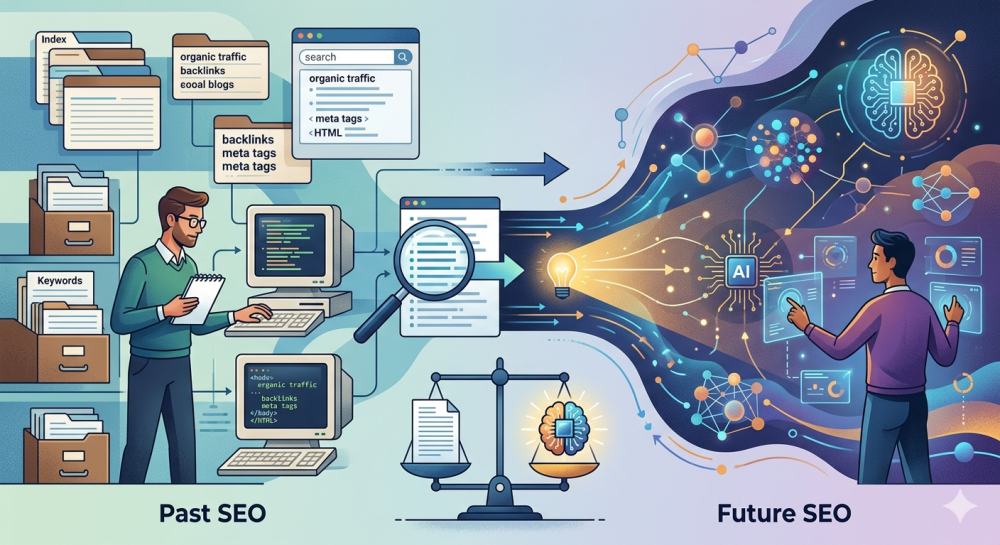
SEO used to be mechanical. Very rigid. Add keywords. Build links. Repeat. It worked. But it wasn’t smart. Now it is. Search engines got better. Users got impatient. Content had to evolve. And with anAI-powered content strategy, we’re not just optimizing anymore, we’re understanding.
Think about it:
- Search intent matters more than keywords
- Context beats repetition
- Timing can decide rankings
A marketer I know once spent weeks ranking for a keyword. It worked. Briefly, then the traffic dropped. Why? Intent mismatch. The content didn’t answer what users really wanted. AI sees that instantly. Humans not always. And that’s the shift. From guessing → to knowing (or at least, almost knowing).
What Are AI SEO Tools in 2026?
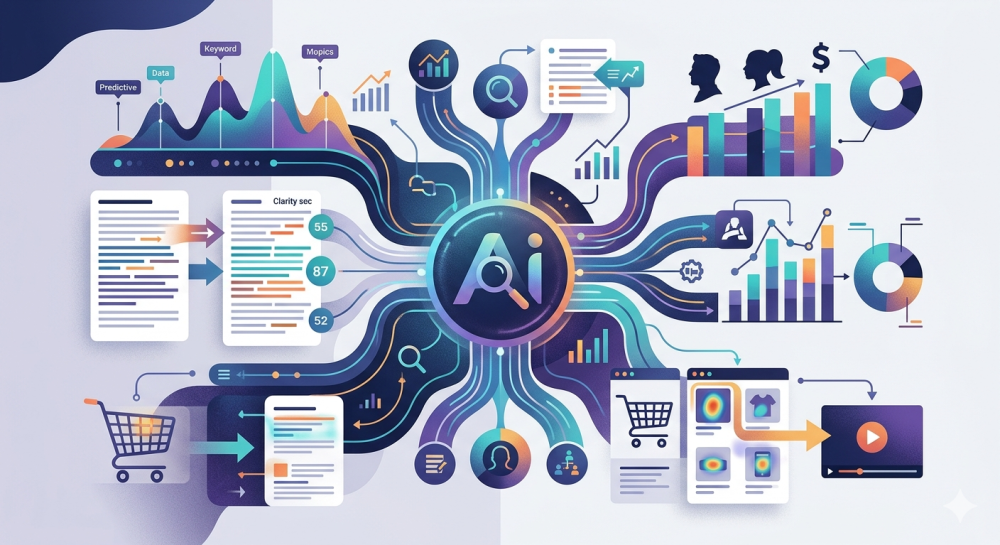
- Suggest topics before they trend
- Rewrite content for clarity (sometimes too robotic, though)
- Analyze competitors in seconds
- Recommend structural changes
And they don’t stop there. Let’s say you run an online store. AI notices users scrolling fast, not reading. It suggests visual content. Maybe even pushes you to add WooCommerce product videos. Because data shows people prefer watching to reading. Makes sense, right? But also, a bit scary. Because now decisions are data-driven. Not instinct-driven.
Key Ways AI Is Transforming Content Strategy
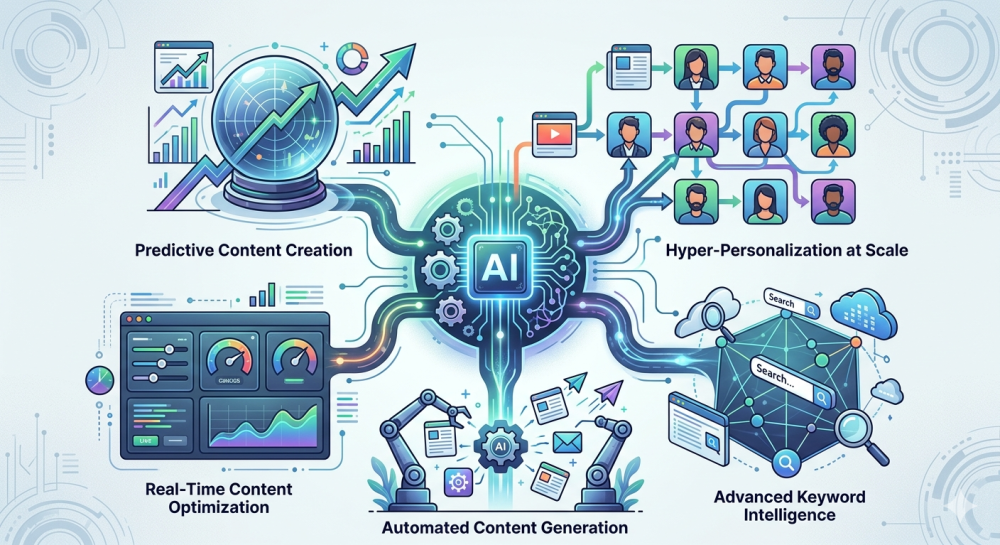
1. Predictive Content Creation
This is where things get interesting. AI doesn’t just analyze the past. It predicts the future or tries to. You’ll see suggestions like:
- “This topic will trend next month.”
- “Search volume expected to rise.”
- “Low competition window open.”
And I should trust this? Sometimes yes. Sometimes, not fully. A blogger once followed AI suggestions unthinkingly. Published 10 articles. 6 performed great. 4 completely flopped. Why? Because prediction isn’t certainty. Still, it’s better than guessing in the dark.
2. Hyper-Personalization at Scale
Personalization used to mean adding someone’s name in an email. That’s it. Now it’s deeper. Much deeper. AI tracks behavior:
- What users click
- How long do they stay
- What they ignore
And then adjusts content accordingly. Two users might see the same product page but slightly different versions. One sees detailed text. Another sees quick visuals and WooCommerce product videos. Same product. Different experience. Feels smart. Because it is.
3. Real-Time Content Optimization
Here’s something wild. You publish content. And instead of waiting days or weeks, AI gives feedback instantly.
- “Headline too weak.”
- “Add more subheadings.”
- “Improve readability score.”
It’s like having an editor watching you all the time.
Helpful? Yes.
Overwhelming? Also yes.
But once you get used to it, it becomes second nature. You start thinking like the algorithm, which is weird, but effective.
4. Advanced Keyword Intelligence
Keywords are still important. But not in the same way. Now it’s about topics. Clusters. Intent layers. AI groups keywords into themes:
- Informational
- Transactional
- Navigational
And then suggests how to structure content around them. So instead of writing one article, you build an ecosystem. Messy at first. But powerful when done right.
5. Automated Content Generation
Let’s be honest. AI can write. Not perfectly. But fast. You give it a prompt. It gives you a draft. Sometimes decent. Sometimes, a bit off. That’s why human editing still matters. Because:
- AI lacks emotion
- It repeats patterns
- It doesn’t always “get” nuance
But as a starting point? It saves hours. Think of it like this: AI builds the skeleton. You add the soul.
Role of AI in eCommerce Content Strategy
eCommerce is where AI really shines. Why? Because everything is measurable. Clicks. Scrolls. Conversions. All tracked.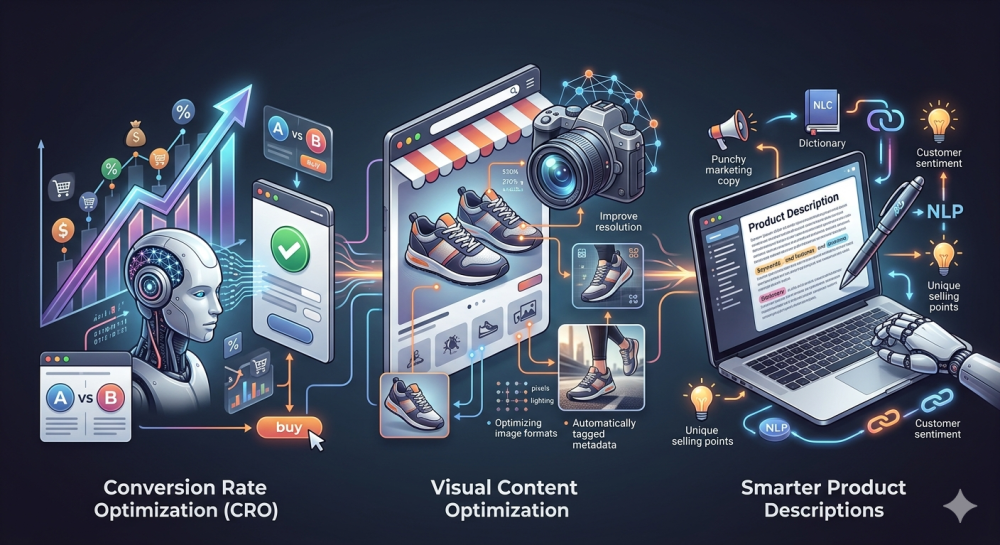
Smarter Product Descriptions
AI writes descriptions that:
- Match search intent
- Highlight key features
- Use persuasive language
But sometimes they feel generic. So, tweaking is needed.
Visual Content Optimization
People don’t like reading long blocks anymore. They skim. Or skip. AI notices this. And suggests:
- More images
- Short videos
- Interactive elements
That’s where WooCommerce product videos come in again. They’re not just “nice to have.” They’re becoming essential.
Conversion Rate Optimization
AI doesn’t just bring traffic. It improves results. It suggests:
- Better CTAs
- Layout changes
- Content tweaks
Small changes. Big impact. Sometimes, even a button color change can increase conversions. Strange, but true.
Challenges of AI-Powered SEO
It’s not all perfect. Not even close. There are downsides.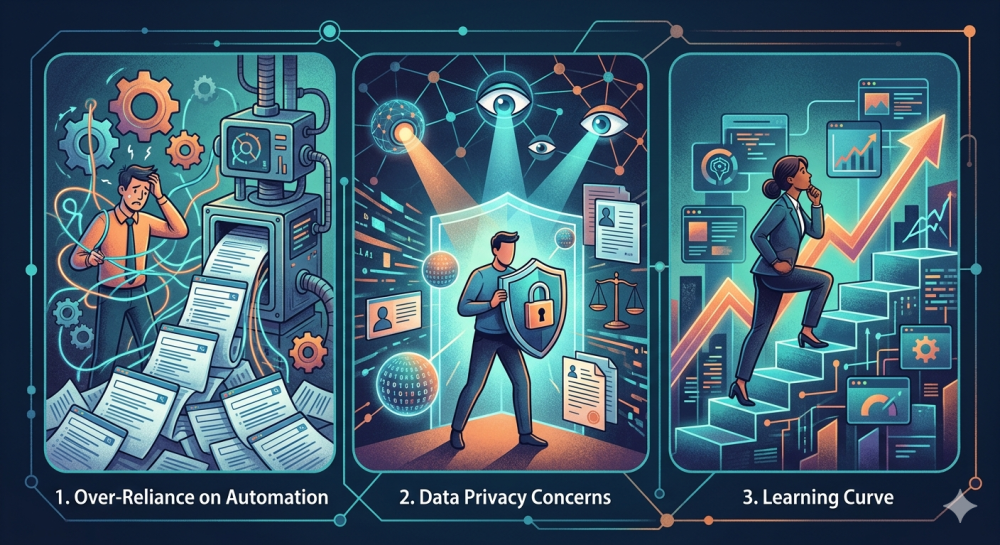
1. Over-Reliance on Automation
Too much AI = boring content.
Everything starts to sound the same. Predictable. Flat. And users notice.
2. Data Privacy Concerns
AI needs data. Lots of it. And that raises questions:
- Where is the data coming from?
- Is it secure?
- Are users aware?
Not always clear.
3. Learning Curve
These tools aren’t simple. At first, they feel confusing. Overloaded with features. Small teams struggle. Even experienced marketers sometimes do. But once learned, hard to go back.
Best Practices for Using AI SEO Tools in 2026
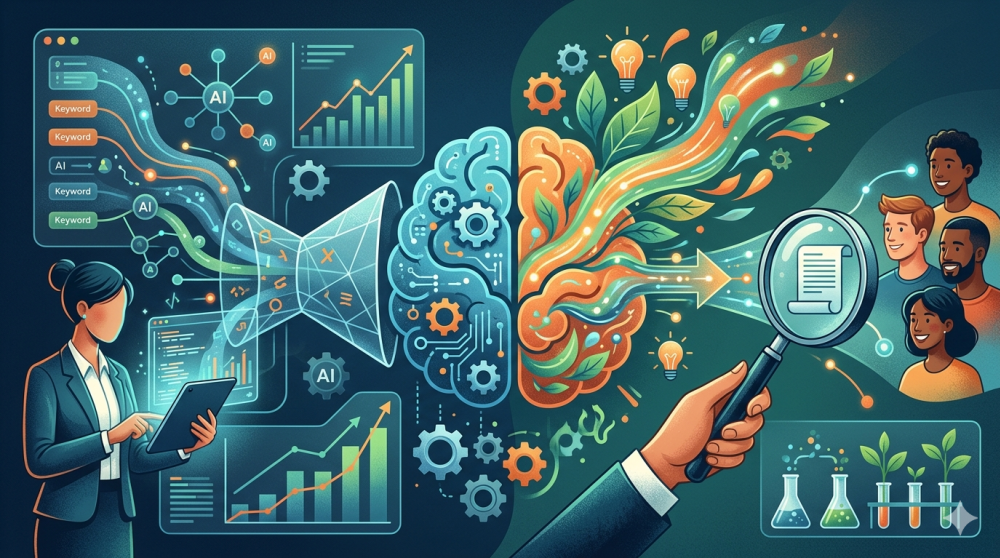
- Don’t trust AI unquestioningly
- Always review content manually
- Focus on real user needs
- Keep experimenting
And most importantly, mix logic with creativity. Because data tells you what works. But humans decide what connects.
The Future of AI-Powered Content Strategy
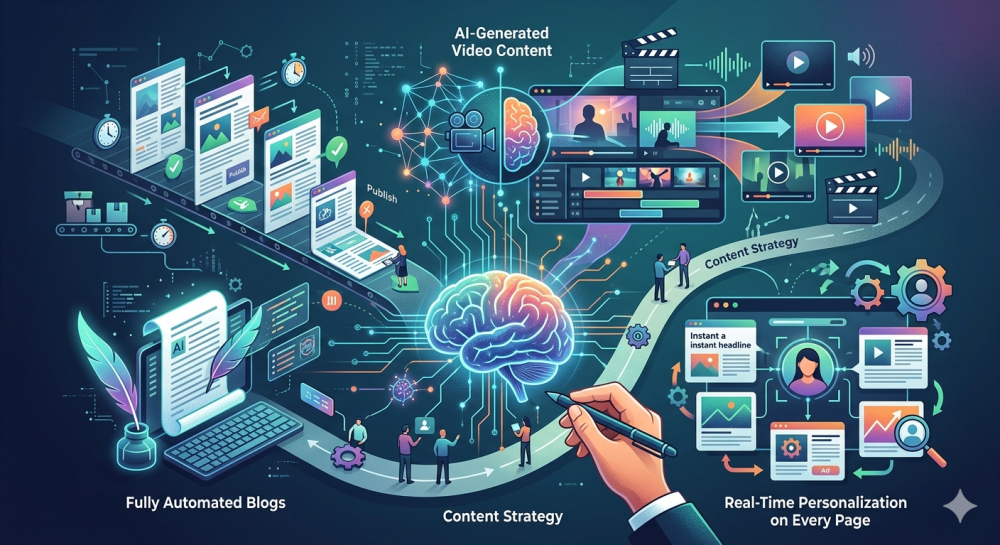
- Fully automated blogs
- AI-generated video content
- Real-time personalization on every page
Exciting? Yes.
A little concerning? Also, yes. Because the line between human and machine content is getting blurry, but one thing is clear: those who adapt will win. Others might struggle to keep up.
Conclusion
So where does this leave us? In a new world. A faster one. AI SEO tools 2026 are no longer optional. They’re necessary. They shape strategy. Guide decisions. Even influences creativity. But they’re still tools. Not replacements. The best results come when: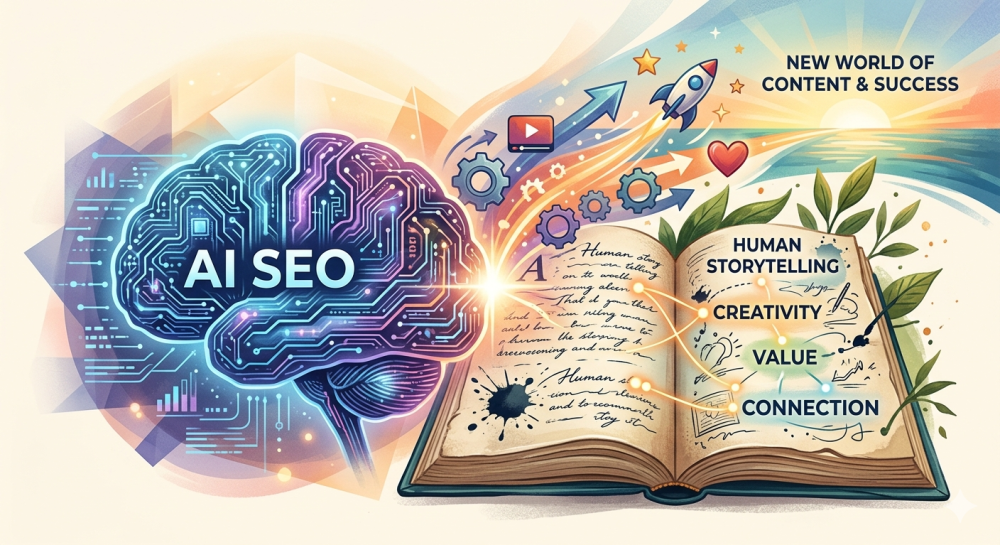
- AI handles data
- Humans handle storytelling
That balance matters. Whether you’re building blogs, product pages, or adding features like WooCommerce product videos, the goal stays the same: create value.
Because at the end of the day, users don’t care about algorithms. They care about content that helps. Connects. Feels real. And that part? Still human.
Read Next
The following articles are related to how ai-powered seo tools are changing content strategy.